
Transform Your Vision with Essential Nutrients
Discover the science-backed nutrients that support crystal-clear eyesight and optimal eye function
The information on this site is for educational purposes only and does not constitute medical advice. Always consult a qualified healthcare professional before making health decisions.
Why Eye Nutrition Matters
of vision quality depends on proper nutrient intake and eye health maintenance
Vision clarity can be supported through targeted nutritional strategies and wellness habits
Days a year your eyes need consistent antioxidant protection and nutrient support
of eye cells benefit from lutein, zeaxanthin, and essential vitamins for long-term wellness
Understanding Nutrients for Eye Health
Your eyes work harder every single day than you might realize. From morning light exposure to evening screen time, your vision system constantly processes visual information. This demanding workload requires specialized nutritional support to maintain optimal function and protect against age-related changes.
The nutrients you consume directly influence your eye's ability to focus clearly, adapt to different lighting conditions, and protect delicate structures from oxidative stress. Through targeted nutrition education, you can learn which foods and compounds support your long-term visual wellness and eye comfort.
Sightnutrigide provides evidence-based information about the nutritional science behind eye health, helping you make informed decisions about your nutrition and wellness choices.
About Our Mission
Top 5 Vision-Supporting Nutrients
Lutein
A powerful carotenoid that concentrates in the macula, the central area of the retina responsible for sharp, detailed vision. Lutein acts as a natural filter for blue light exposure and provides antioxidant protection to support eye tissue health.
Found in leafy greens, kale, spinach, and broccoli
Zeaxanthin
Often working in partnership with lutein, zeaxanthin is another carotenoid that accumulates in eye tissues. It supports visual function in bright conditions and helps protect against high-energy visible light while maintaining color vision clarity.
Found in orange peppers, corn, and orange-colored vegetables
Omega-3 Fatty Acids
Essential fatty acids are critical structural components of eye cell membranes, particularly in the retina. Omega-3s support healthy blood flow to eye tissues, maintain tear film quality, and promote overall visual system function throughout life.
Found in fatty fish, flaxseeds, walnuts, and chia seeds
Vitamin C
A potent antioxidant that protects eye cells from free radical damage. Vitamin C concentrations in the lens and retina help maintain clear vision and support the eye's natural defense systems against environmental stress.
Found in citrus fruits, berries, kiwi, and bell peppers
Zinc
A mineral essential for maintaining healthy retinal function and supporting night vision capabilities. Zinc helps transport vitamin A to the retina and supports the antioxidant enzyme systems that protect eye tissues from oxidative stress.
Found in oysters, beef, pumpkin seeds, and chickpeas
Beta-Carotene
A plant-based precursor to vitamin A, beta-carotene is essential for maintaining healthy vision in low-light conditions and supporting the rod cells of the retina. It also provides antioxidant support to eye tissues.
Found in carrots, sweet potatoes, apricots, and red peppers
Your 30-Day Eye Wellness Journey
Days 1-7: Awareness
Learn about the role of key nutrients in your vision system. Track your current eating habits and identify which vision-supporting foods are already in your diet and where you might add more.
Days 8-14: Integration
Begin incorporating more lutein, zeaxanthin, and omega-3 rich foods into your meals. Try new recipes featuring leafy greens, colorful vegetables, and fatty fish to support your eye nutrition goals.
Days 15-21: Habit Building
Your new nutritional habits begin to feel natural. Notice how consistent nutrient intake supports your daily vision clarity and eye comfort during screen time and outdoor activities.
Days 22-30: Optimization
Fine-tune your nutrition plan based on personal experience. Establish sustainable patterns that support your eye health long-term and continue enjoying the benefits of informed nutritional choices.
Nutrient-Rich Food Sources
Leafy Greens & Vegetables
Spinach, kale, and collard greens are nutritional powerhouses for eye health. These dark leafy vegetables contain exceptionally high concentrations of lutein and zeaxanthin, the carotenoids that accumulate in eye tissues and support visual acuity throughout life.
- Spinach: 10mg lutein per cooked cup
- Kale: 26mg lutein per cooked cup
- Broccoli: 3mg lutein per cooked cup

Berries & Citrus Fruits
Blueberries, strawberries, and oranges provide essential vitamin C and antioxidant compounds that protect eye tissues from oxidative damage. These colorful fruits support your eye's natural defense systems and maintain lens clarity.
- Blueberries: Rich in anthocyanins for retinal protection
- Oranges: 90mg vitamin C per medium fruit
- Strawberries: 85mg vitamin C per cup

Fatty Fish & Seafood
Salmon, mackerel, and sardines are excellent sources of omega-3 fatty acids essential for retinal health and tear film quality. These nutrient-dense proteins support healthy circulation to eye tissues and maintain structural integrity of vision cells.
- Salmon: 2.3g omega-3 per 3oz serving
- Oysters: 11mg zinc per 3oz serving
- Mackerel: 2g omega-3 per 3oz serving

Nuts, Seeds & Orange Vegetables
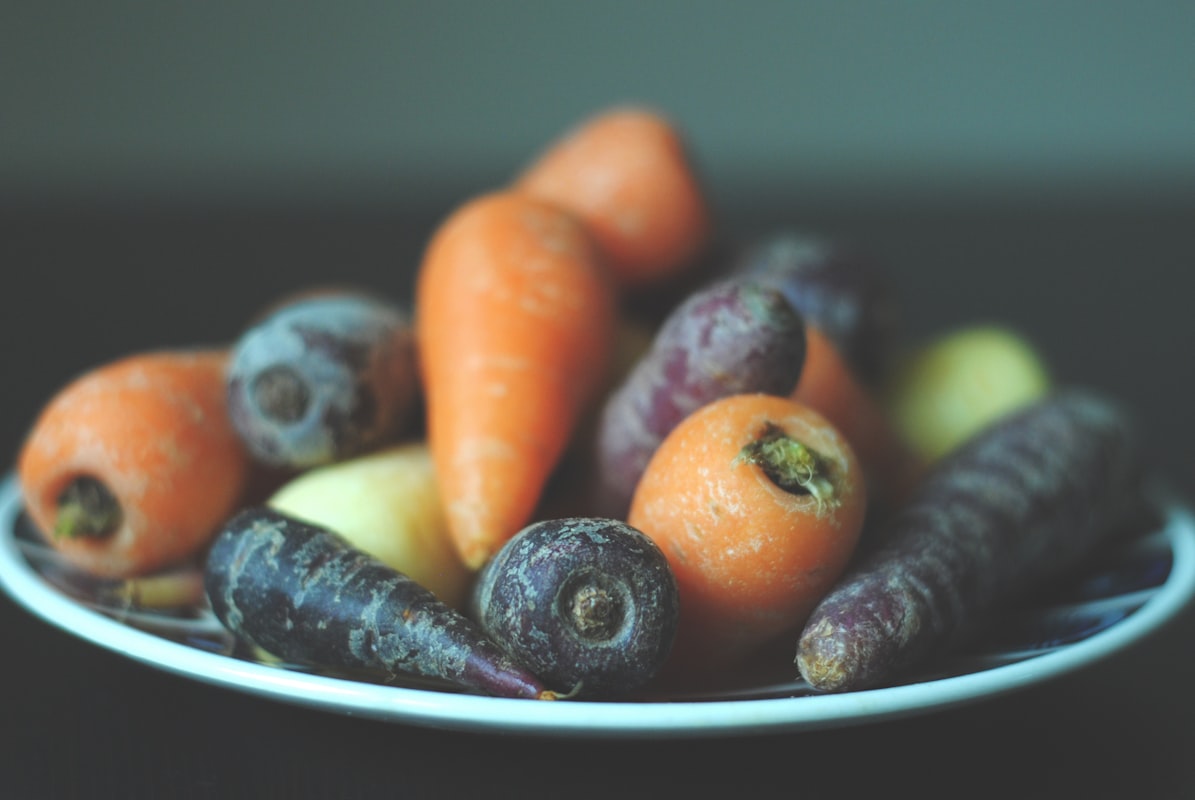
Almonds, walnuts, pumpkin seeds, carrots, and sweet potatoes provide zinc, beta-carotene, and additional antioxidants. These foods are convenient, nutrient-dense options that support comprehensive eye wellness when incorporated regularly into your diet.
- Almonds: 26mg vitamin E per ounce
- Pumpkin seeds: 9mg zinc per ounce
- Sweet potato: 10,191 IU vitamin A per cup
What Our Readers Are Saying
Rina Hartono
Jakarta
The article about lutein and zeaxanthin completely changed how I think about nutrition and eye health. I started eating more leafy greens and noticed my screen time discomfort decreased significantly within weeks. This is exactly the kind of practical, evidence-based information I was looking for.
Budi Wijaya
Surabaya
I appreciate how Sightnutrigide breaks down complex nutritional science into understandable information. The 30-day journey framework gives you a realistic roadmap for making dietary changes. I've been following their recommendations and my eye clarity feels sharper than it has in years.
Lusi Santoso
Bandung
As someone who spends 10 hours a day in front of screens, I needed real solutions. Sightnutrigide's content on omega-3 fatty acids and their role in retinal health was eye-opening. I've modified my diet accordingly and honestly feel like my eyes have better endurance during long work sessions.
Dipo Kusuma
Medan
The nutrient food sources guide is incredibly comprehensive and practical. I love that they provide specific amounts and bioavailability information. Using this resource, I've built a sustainable eating plan that supports my vision and overall wellness. Highly recommend to anyone interested in eye nutrition.
Frequently Asked Questions
With consistent nutrient intake, many people report improvements in eye comfort and clarity over time. However, the carotenoids like lutein and zeaxanthin accumulate in eye tissues over time, with peak benefits typically observed after 3-6 months of sustained nutritional support. Individual results vary based on starting nutrient levels, dietary consistency, and overall health factors.
Yes, most eye-supporting nutrients can be obtained through a well-balanced diet rich in leafy greens, colorful vegetables, fatty fish, and nuts. A single serving of cooked kale, for example, provides more than the daily recommended lutein intake. The key is consistent consumption of diverse, nutrient-dense foods. Some individuals may benefit from additional nutritional support, but this should be discussed with a healthcare provider based on individual circumstances.
Both lutein and zeaxanthin are carotenoids that accumulate in the macula and are essential for vision health, but they have different distributions and functions. Lutein is more prevalent in the outer areas of the macula, while zeaxanthin concentrates in the center. Zeaxanthin filters blue light more effectively, while lutein provides broader antioxidant support. They work synergistically—you need both for optimal eye protection. Most foods containing lutein also contain zeaxanthin, though in different ratios.
No, they are related but different. Beta-carotene is a plant-based compound (provitamin A) that your body converts into vitamin A as needed. This conversion process is efficient and flexible—your body produces more vitamin A when levels are low and less when adequate. Vitamin A from animal sources (retinol) is already in its active form and is absorbed directly. Both forms support vision, but beta-carotene from plants like carrots and sweet potatoes is a safe source because your body regulates conversion based on actual needs.
Cooking actually increases the bioavailability of carotenoids like lutein and zeaxanthin. When you heat vegetables, it breaks down cell walls, making these fat-soluble compounds easier for your body to absorb. Light steaming or sautéing in a small amount of olive oil is ideal. While some vitamin C content may be reduced by cooking, the carotenoids that are most important for eye health are preserved or even enhanced. Both raw and cooked preparations of vegetables are beneficial for eye nutrition.
While nutrients from foods are generally safe, certain interactions can occur with specific medications. For example, vitamin K in leafy greens can interact with blood-thinning medications, and some supplements may affect medication absorption. This is why it's important to discuss your dietary changes and any supplementation with your healthcare provider, especially if you take regular medications. They can provide personalized guidance based on your specific health situation and medication regimen.
Begin Your Vision Wellness Journey Today
Explore our comprehensive nutrient guides and discover the science-backed information that supports your eye health and visual clarity. Our editorial team is committed to bringing you evidence-based insights about nutrition for optimal vision.
Subscribe to Our Eye Nutrition Insights
Stay updated with the latest nutritional science and eye wellness information. Receive our monthly insights on vision-supporting nutrients and evidence-based wellness strategies.
We respect your privacy. Unsubscribe at any time.